


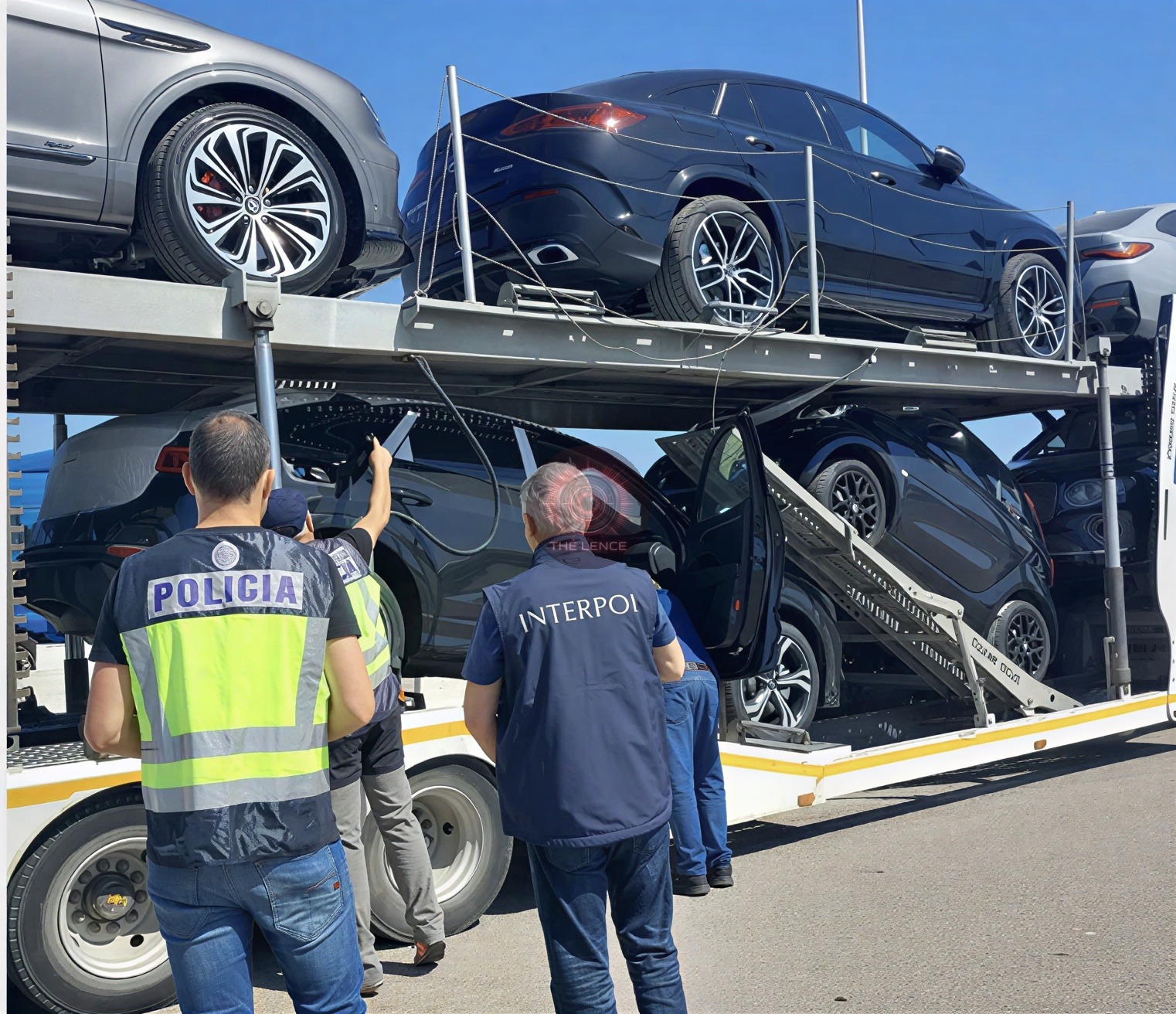
Russia's Plan to Legalize Stolen EU Cars
Russia is considering a legislative change that would allow the legal registration of vehicles stolen from the European Union (EU) and other nations. This proposal, initiated by the Russian Interior Ministry at the behest of President Vladimir Putin, is intended to protect Russian car owners whose vehicles have been listed as wanted by what Russia considers "hostile states."
Concerns and Reactions.
Fear of Increased Car Thefts in Europe
The proposal has sparked concerns in Germany and other European countries, fearing a rise in car thefts. The German police union is particularly worried about a potential escalation in vehicle thefts if the law is enacted.
Legislative Changes Directed by Putin.
The draft bill, as reported by the Moscow-based newspaper Kommersant, is part of a broader strategy to counter actions by nations Russia deems hostile. This includes not only EU states but also countries like Switzerland, Norway, the US, Canada, Japan, South Korea, and Australia. The legislation also aims to legalize cars declared missing by Ukraine, specifically those taken from occupied territories.
Current Legal Framework and Challenges.
Currently, Russia prohibits the registration of vehicles subject to international search warrants. However, Russian authorities face difficulties identifying why certain vehicles are listed in this database. Since the conflict with Ukraine began, there have been limited responses from "hostile states" to Russian inquiries about these vehicles.
Germany's Lack of Cooperation.
Germany has been specifically cited as unresponsive to Russia's requests for information on vehicles reported stolen. According to Russia's Interior Ministry, Berlin has not provided reasons for search warrants on 123 vehicles identified in Russia as stolen.
Perspectives from Law Enforcement.
Germany's Federal Criminal Police Office (BKA) has acknowledged receiving inquiries from Russia but states that these cases fall outside their jurisdiction, as they primarily involve civil law issues. The BKA has not commented on whether the proposed Russian law would lead to increased theft in Germany, but noted that the number of stolen vehicles greatly exceeds those subject to international searches.
Police Union's Criticism.
Benjamin Jendro, a spokesperson for the German police union GdP, criticized the proposed law as encouraging crime and undermining efforts to combat international car-trafficking gangs. He noted the longstanding issue of vehicles being stolen, moved to Eastern Europe, and dismantled, despite advancements in anti-theft technology.
Potential for Insurance Fraud.
Some Russian experts, like Alexander Kholodov from the Public Chamber of the Russian Federation, warn that the new law might facilitate insurance fraud, reminiscent of schemes from the 1990s and early 2000s. These involved "staged thefts" where vehicles were sold, transported to Russia, and subsequently reported as stolen to claim insurance payouts.
German Insurance Association's Response.
The German Insurance Association (GDV) downplayed the prevalence of such fraud schemes, asserting that most vehicle thefts are genuine and not fabrications. They also do not anticipate a significant increase in thefts due to the proposed legal changes in Russia.
Conclusion.
The Russian proposal to legalize the registration of stolen EU cars has generated significant concern and debate. While aimed at protecting Russian car owners from hostile state actions, it raises questions about potential increases in car thefts and insurance fraud, highlighting the complex interplay between international law enforcement and political tensions.


Comments (0)
No comments yet. Be the first!
Leave a Comment