


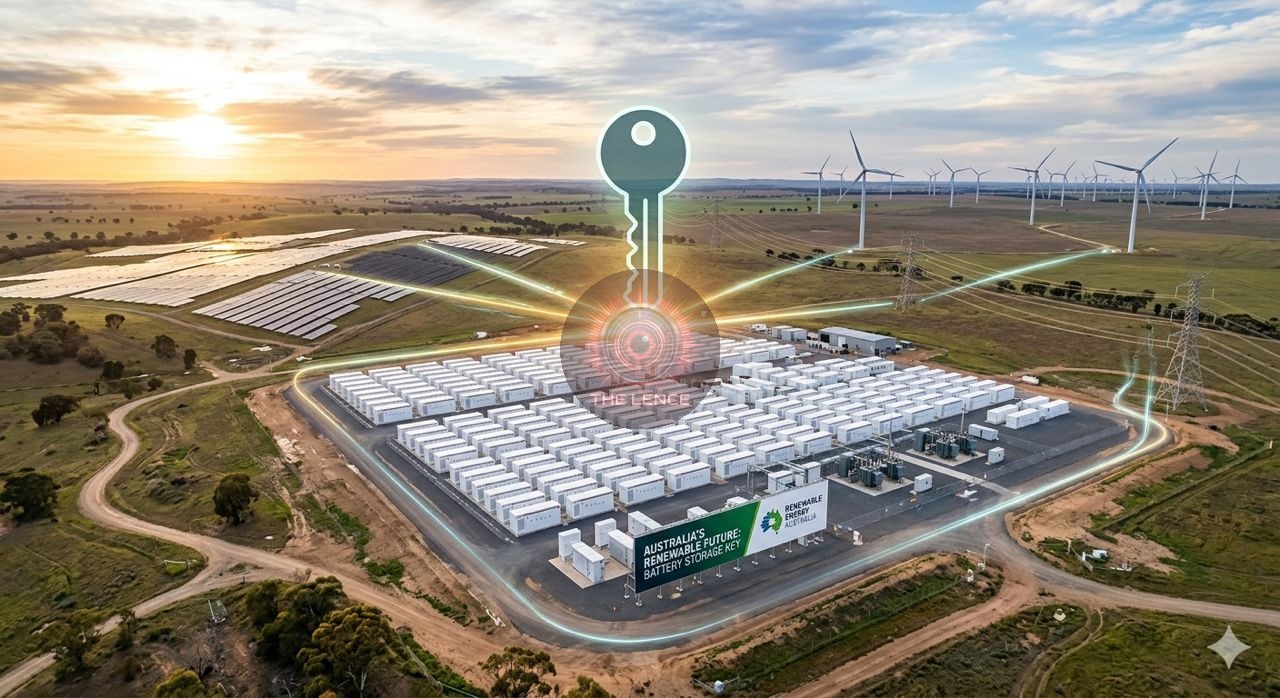
With its vast sunshine, strong winds, and open landscapes, Australia is widely regarded as one of the world’s most resource-rich nations for renewable energy. Now, experts say the next big step in fully harnessing that potential lies in expanding battery storage systems.
Renewable sources like solar and wind are naturally variable—they generate electricity only when the sun shines or the wind blows. This has long been one of the main challenges in transitioning away from traditional energy systems. However, advances in large-scale battery storage are changing that equation.
Battery systems allow excess electricity generated during peak production times to be stored and used later when demand is high or supply drops. This not only stabilizes the power grid but also ensures a more consistent and reliable energy supply from renewables.
For Australia, the opportunity is especially significant. With some of the highest solar radiation levels in the world and strong wind corridors, the country can generate more clean energy than it currently consumes. By investing in storage infrastructure, it can capture this surplus energy instead of wasting it.
Reducing reliance on fossil fuels is another major benefit. Traditional energy sources such as coal, oil, and gas are not only major contributors to climate change but are also vulnerable to global market fluctuations. Price shocks, supply disruptions, and geopolitical tensions can all impact energy costs and availability.
In contrast, renewable energy paired with battery storage offers greater energy independence. Once the infrastructure is in place, the cost of generating electricity becomes more stable and less exposed to international market pressures.
There are also economic advantages. Expanding battery storage could create jobs, attract investment, and position Australia as a global leader in clean energy technology. It may even open opportunities for exporting renewable energy in the future, particularly through emerging technologies like green hydrogen.
Despite the promise, challenges remain. Large-scale batteries require significant upfront investment, and there are ongoing questions about supply chains for key materials such as lithium. However, continued innovation and policy support are expected to drive down costs and improve efficiency over time.
Ultimately, experts believe that combining Australia’s natural renewable strengths with advanced battery storage could transform its energy system—making it cleaner, more reliable, and more resilient in the face of global uncertainty.




Comments (0)
No comments yet. Be the first!
Leave a Comment