


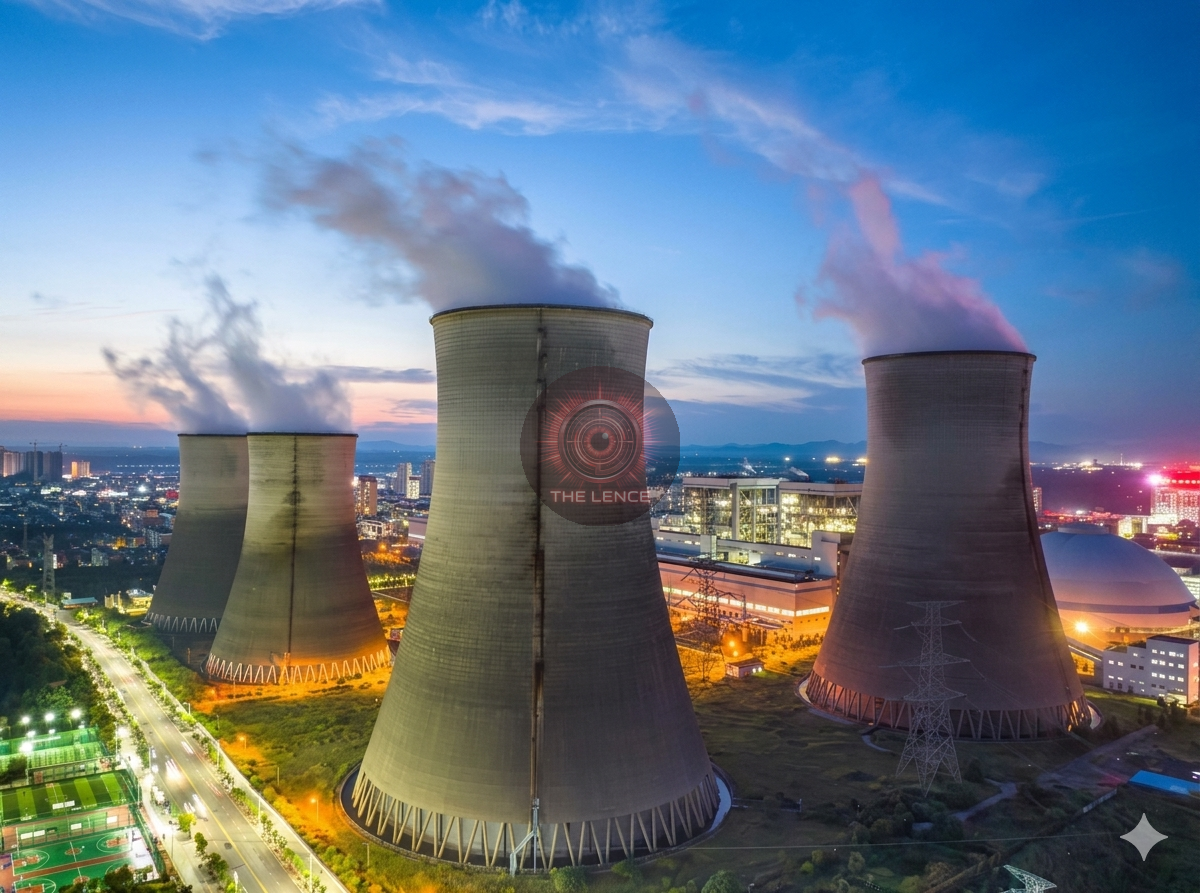
China is accelerating its transition toward cleaner and more reliable energy, with plans to commission seven new nuclear reactors in 2026. The move marks a significant step in the country’s long-term strategy to expand its power generation capacity while reducing dependence on fossil fuels.
The new reactors are expected to play a crucial role in meeting China’s rapidly growing electricity demand, driven by industrial expansion, urbanization, and technological development. Nuclear energy, known for its low carbon emissions and high efficiency, is increasingly becoming a central pillar in the country’s energy mix.
By scaling up nuclear power, China aims to cut its reliance on coal, which has historically been the backbone of its energy sector but also a major contributor to air pollution and greenhouse gas emissions. The expansion aligns with Beijing’s broader climate goals, including efforts to peak carbon emissions before 2030 and achieve carbon neutrality by 2060.
Beyond environmental considerations, the development also reinforces China’s position as a global leader in nuclear technology. The country has invested heavily in advanced reactor designs, safety systems, and domestic expertise, allowing it to compete with established nuclear powers in both construction speed and innovation.
As the new reactors come online, China’s growing nuclear fleet is expected to enhance energy security, stabilize power supply, and support its transition toward a more sustainable and diversified energy future.




Comments (0)
No comments yet. Be the first!
Leave a Comment