


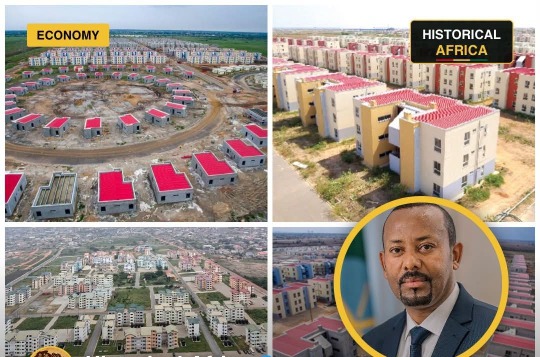
Ethiopia has set a target to build at least 1.5 million homes over the next five years, Prime Minister Abiy Ahmed told parliament.
The plan tackles a housing shortage that has pushed rent and home prices out of reach for millions, especially in cities where demand keeps climbing and supply never catches up. The government says around 1.2 million homes have been completed over the past seven years, and it wants to build on that base rather than start from scratch.
Here is the part that matters most. Ethiopia is not planning to import its way to 1.5 million homes.
Abiy laid out a push to produce the building materials at home. New steel production. Expanded cement factories.
A glass factory opening this year to make a material the country used to buy from abroad. More local granite, marble and furniture. The housing target and the industrial strategy are the same plan.
Build the homes, and build the factories that build the homes.
This fits a bigger pattern from Addis Ababa. Ethiopia financed the Grand Ethiopian Renaissance Dam with its own citizens' money when outside lenders doubted it.
The same instinct runs through this housing drive, keep the money, the materials and the jobs inside the country wherever possible.
The ambition is huge, and Ethiopia has made big housing promises before that moved slower than pledged. The difference this time is that the plan is tied to factories, not just budgets.
A country that decides to manufacture its own steel, cement and glass to house its people is doing something more than building homes.
It is refusing to stay dependent on everyone else's supply chains, and that choice tends to outlast any single project.



Comments (0)
No comments yet. Be the first!
Leave a Comment