


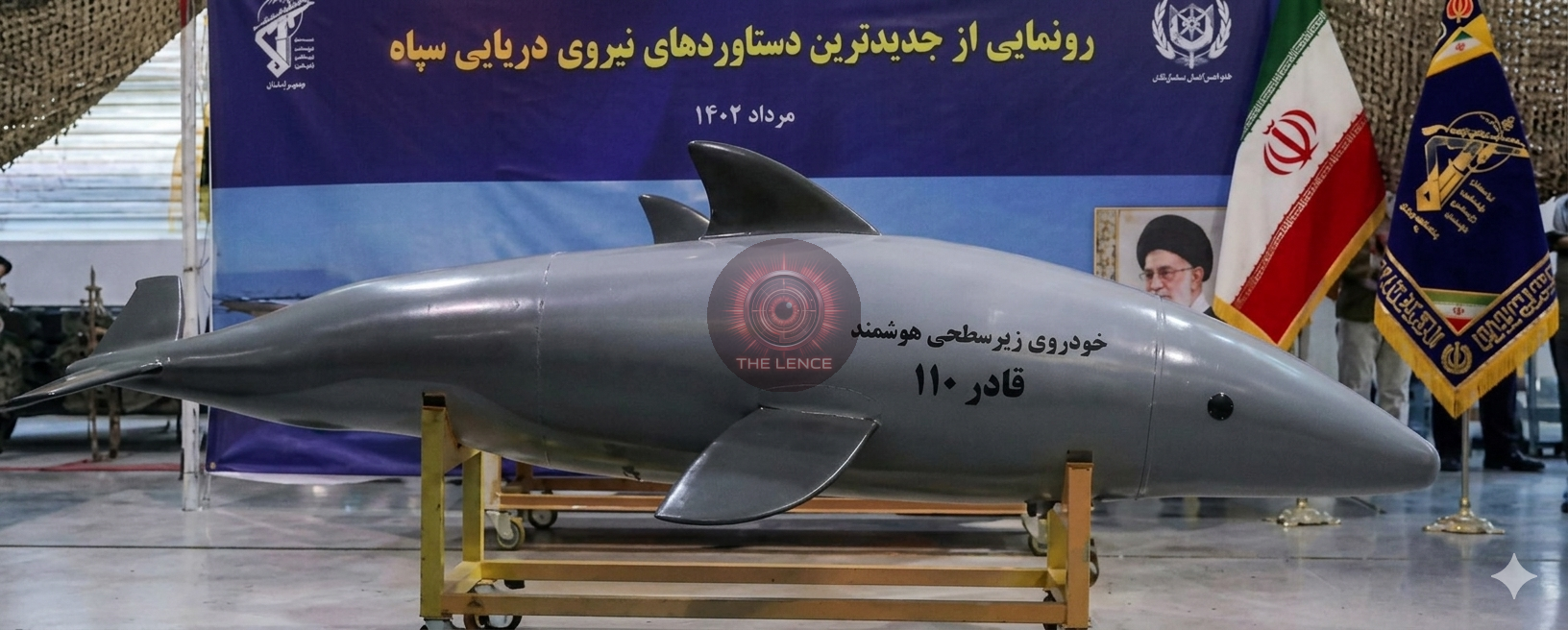
Iran is once again at the center of global military speculation following claims that it has developed “suicidal artificial dolphins” capable of carrying out underwater combat missions. The reports suggest that after more than two decades of secret work, Iranian engineers may have created unmanned maritime systems designed to resemble real dolphins—allowing them to blend seamlessly into ocean environments.
According to the narrative, these dolphin-shaped devices would function much like underwater kamikaze drones. Their supposed advantage lies in stealth: by mimicking the movement and appearance of marine life, they could evade radar and sonar detection while approaching enemy vessels. Once close enough, they could reportedly deliver explosive payloads with precision.
If such technology were real and operational, it could represent a shift in naval warfare strategy—particularly in regions like the Strait of Hormuz, where tight waterways and heavy military presence make stealth tactics especially valuable. Iran has long focused on asymmetric warfare, investing in unconventional methods to counter more technologically advanced navies. This includes fast attack boats, sea mines, and various types of drones.
However, analysts urge caution. There is no verified proof that these “artificial dolphins” exist in the form being described. The concept appears to blend elements of real military innovation with speculation and exaggeration. While underwater drones are a growing part of modern naval arsenals worldwide, shaping them like dolphins for offensive missions remains unconfirmed.
Historically, some countries experimented with training real marine animals for tasks such as detecting mines or guarding harbors. But turning such ideas into autonomous, weaponized systems that mimic sea creatures is a far more complex and unproven leap.
Even so, the discussion reflects a broader reality: the future of naval conflict is increasingly tied to unmanned and hard-to-detect systems. Whether or not dolphin-like weapons ever materialize, the race to dominate underwater technology is already underway—and it could reshape how wars at sea are fought in the years ahead.




Comments (0)
No comments yet. Be the first!
Leave a Comment