


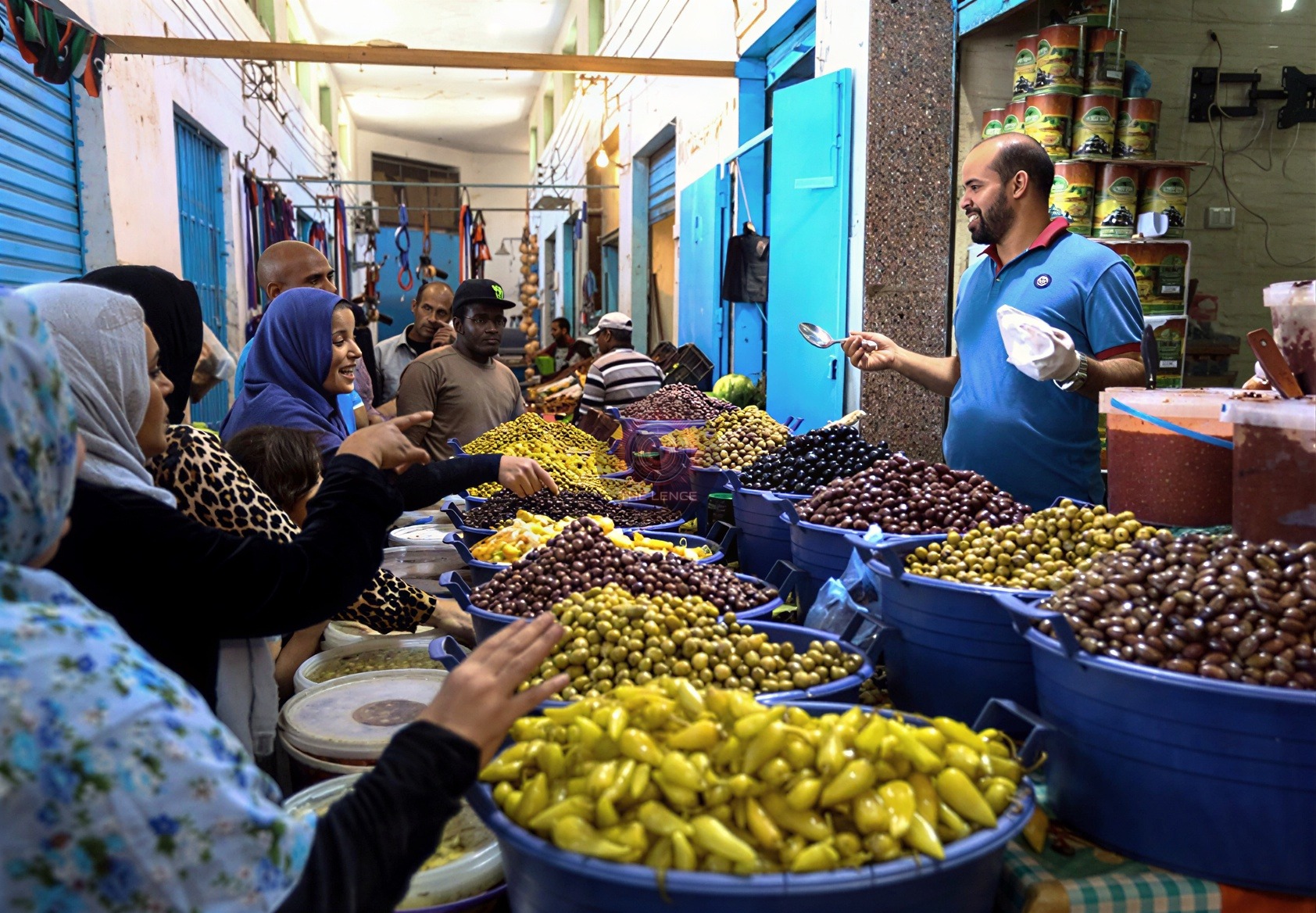
The United Nations' World Food Programme (WFP) released its "Libya Market Price Monitoring – February 2026" report, which highlights a significant increase in food prices across Libya. Published on Monday, March 30, this report provides an in-depth analysis of the economic challenges facing Libya following the devaluation of the Libyan dinar.
Key Findings.
The report notes a 5.0 percent increase in the national Full Minimum Expenditure Basket (MEB) for February 2026, reaching LD 1,128.35. This marks a reversal of the slight price easing observed in January. Notably, the eastern and southern regions of Libya experienced the most significant price hikes, at +9.1 percent and +9.5 percent, respectively.
Factors Influencing Price Increases.
Several factors contribute to the rising food prices in Libya:
- Exchange-Rate Pass-Through: The Central Bank of Libya’s 14.7 percent devaluation of the Libyan dinar on January 18 initiated increased pressure on import-dependent commodities.
- Import Dependence: Libya's reliance on imported goods means that exchange rate changes have a direct impact on food prices.
- Transport Costs: Higher transportation costs exacerbate the situation, particularly affecting regions with longer supply chains.
Regional Variations.
The report highlights regional disparities in price changes:
- West: A slight decrease of −1.3 percent to LYD 1,129.59 was noted, although prices remain high due to strong consumer demand and swift price adjustments in urban centers like Tripoli.
- East and South: The East saw prices rise to LYD 1,132.21, while the South reached LYD 1,123.62. These increases are attributed to past lower price levels, transport challenges, and exchange-rate effects.
Response Measures.
In response to the rising prices, on February 15, the eastern-based Libya Development & Reconstruction Fund announced subsidized sale mechanisms for essential commodities such as cooking oil, rice, sugar, flour, and tomato paste. While these measures aim to offer temporary relief, their long-term effectiveness on market prices remains uncertain.
In conclusion, the WFP report provides a comprehensive overview of the economic pressures facing Libya due to currency devaluation and import reliance. The situation calls for strategic interventions to ensure food security and economic stability in the region.




Comments (0)
No comments yet. Be the first!
Leave a Comment