

International Response to the Strait of Hormuz Situation
The recent developments in the Strait of Hormuz have captured global attention as diplomatic leaders and international organizations gather to address the implications and ensure maritime security. The reopening of this vital oil route, amidst ongoing tensions, has prompted varied reactions from world leaders and strategic planning for future stability.
Diplomatic Reactions and Announcements.
France and the UK expressed cautious optimism over the announcement from Iran and the US regarding the Strait of Hormuz's accessibility. French President Emmanuel Macron and UK Prime Minister Keir Starmer highlighted the necessity for a permanent restoration of freedom of navigation through this crucial channel, which has been affected by conflicts involving the US and Israel.
During a gathering of international leaders, Macron emphasized a joint demand for the "full, immediate, and unconditional reopening of the Strait of Hormuz by all parties.
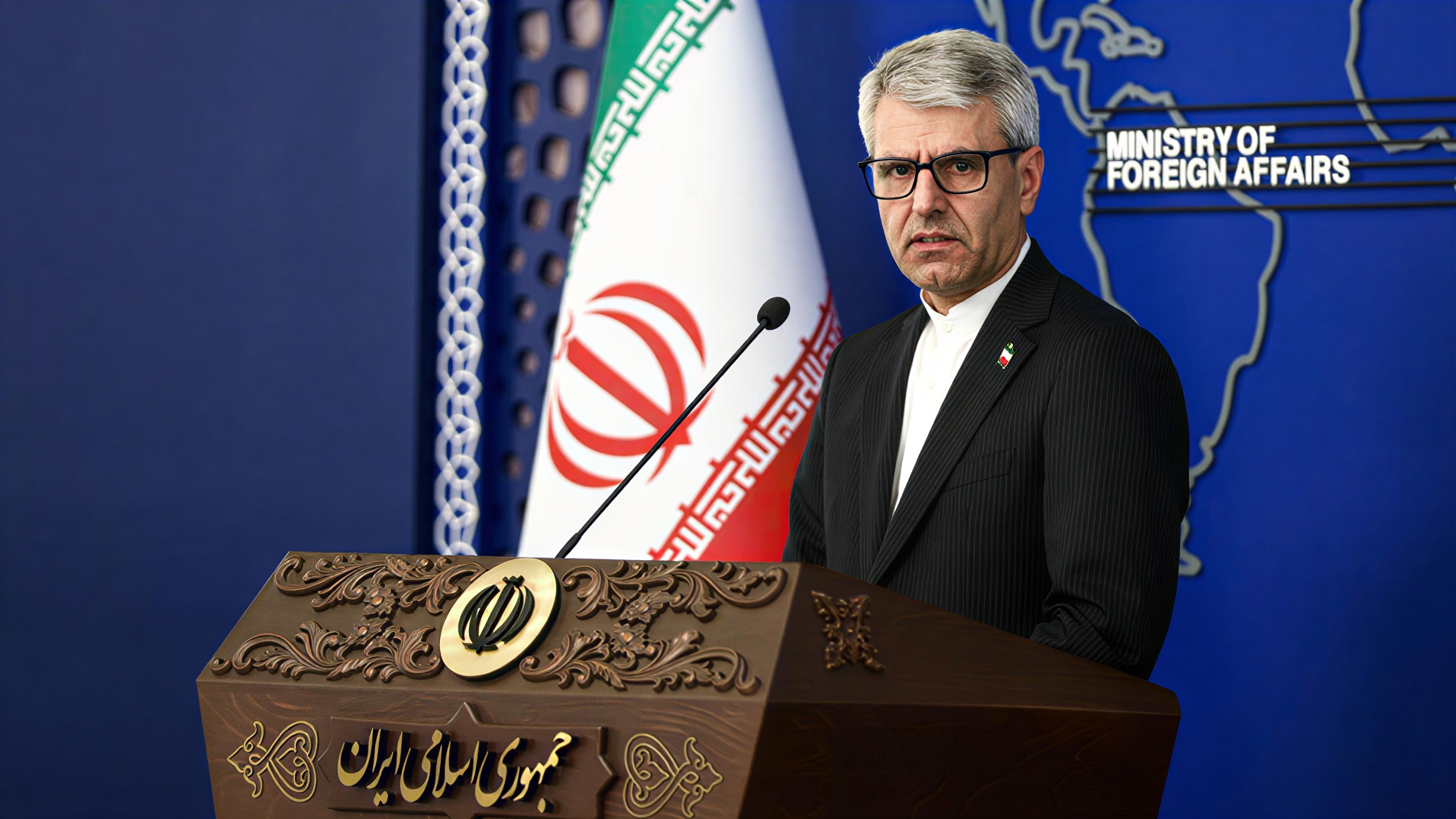
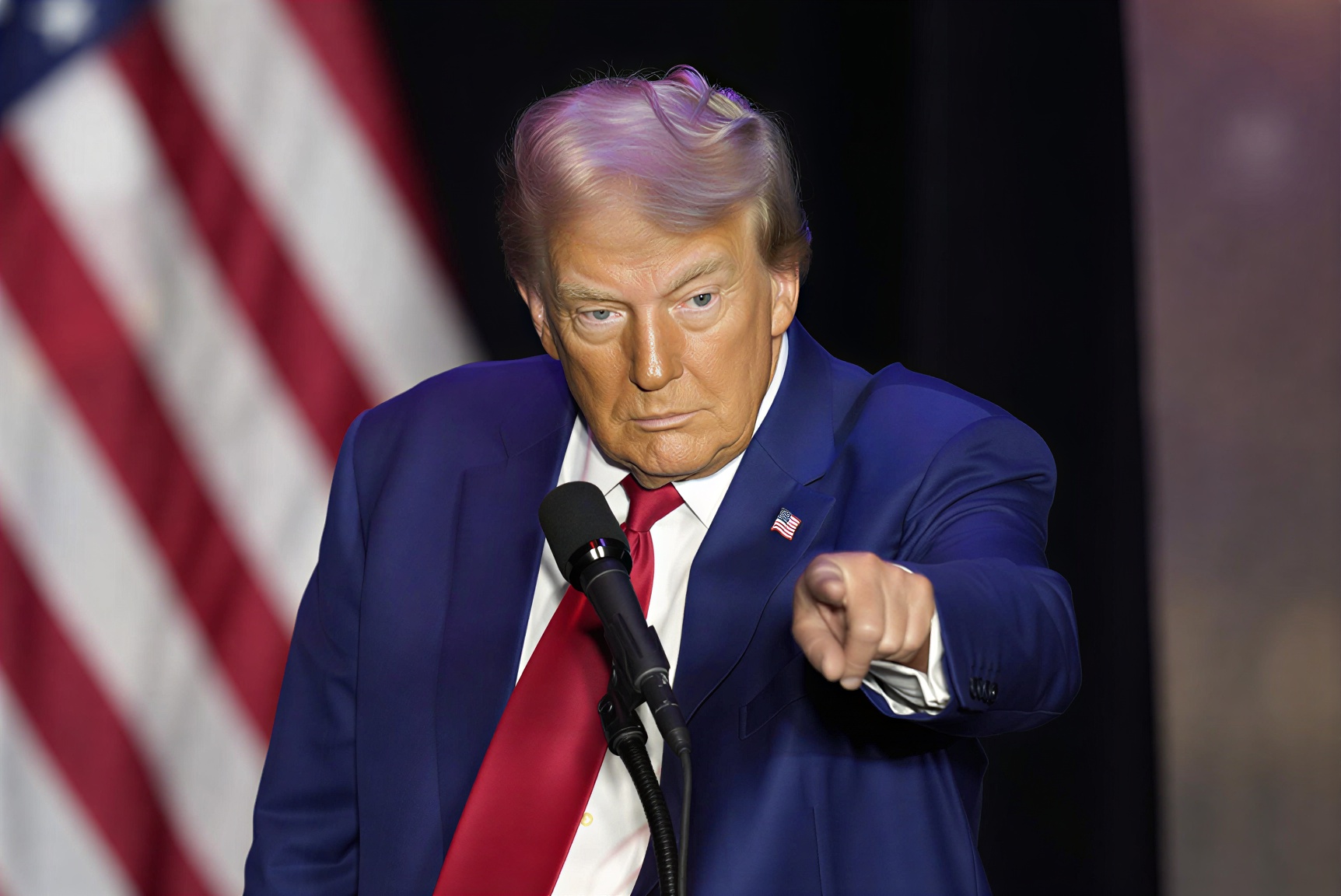
This sentiment was echoed by US President Donald Trump and Iran's Foreign Minister Abbas Araghchi, who confirmed the strait's accessibility. The announcement of a ten-day ceasefire in Lebanon and the strait's reopening led to a decline in oil prices, signaling economic relief.
While Trump maintained that the US Navy's blockade of Iranian ships would continue until transactions were finalized, Starmer remained cautiously optimistic, underscoring the importance of achieving a durable and viable solution.
Planning for Maritime Security.
The Paris gathering aimed to mitigate the conflict's effects on the global economy, severely impacted since the strait's closure. The UK and France, alongside other nations, are planning a Strait of Hormuz Maritime Freedom of Navigation Initiative. Macron described this as a neutral mission to ensure the safety of merchant ships traveling through the Gulf.
The UK, planning to lead the mission, emphasized it would be peaceful and defensive, focusing on commercial shipping reassurance and mine clearance. Over a dozen countries have committed to contribute, though this number is less than the broader Hormuz coalition. The UK is contemplating deploying mine-hunting drones from the RFA Lyme Bay to aid in these efforts.
Contributions and Military Preparations.
The conflict has highlighted the limitations of naval resources, with the Royal Navy's reduced size reflected in their deployment of HMS Dragon in the eastern Mediterranean. Meanwhile, France has dispatched a nuclear-powered aircraft carrier, a helicopter carrier, and frigates, leveraging its military strength.
Italy, under Premier Giorgia Meloni, has expressed readiness to offer naval support, while Germany's Chancellor Friedrich Merz suggested Germany could assist with mine clearance and maritime intelligence, contingent on parliamentary approval and a legal framework, such as a UN resolution.
Macron's office has outlined potential coalition roles, including intelligence sharing, mine-clearing, military escorts, and communication with coastal states. However, Macron intends to exclude nations involved in the conflict from the initiative, contrasting with Merz's hope for eventual US participation.
Strategic Considerations and European Involvement
Sidharth Kaushal from the Royal United Services Institute suggested that the coalition's focus on mine-clearing and threat warning systems is more feasible than escorting commercial tankers, which would require a significant number of vessels.
Iran expert Ellie Geranmayeh emphasized Europe's role in mine-clearing, positing that European involvement could prevent escalations in US-Iran tensions. This initiative partly responds to Trump's criticisms of allies for not joining the conflict, as he disparaged NATO as ineffective during the crisis.
Kaushal noted that European nations aim to demonstrate their capacity for independent security actions, separate from the US. However, resources for such initiatives remain uncertain.
In a social media post, Trump dismissed European assistance offers, specifically from NATO, labeling them a "Paper Tiger" and indicating a preference for self-reliance in stabilizing the region.

Comments (0)
No comments yet. Be the first!
Leave a Comment