


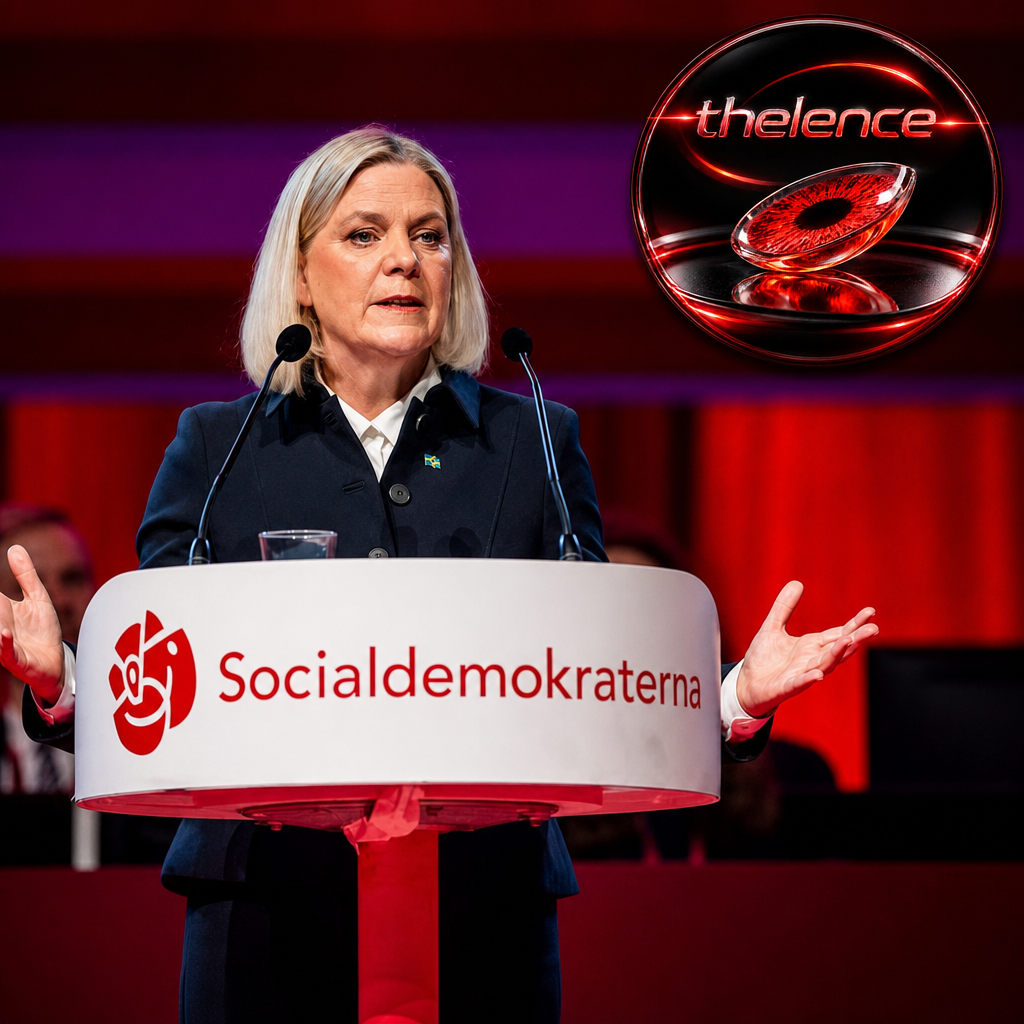
Magdalena Andersson Set to Become Swedish Prime Minister.
Sweden's political landscape is set for a significant shift as the left-wing bloc emerges victorious in the general election. Social Democrat party leader Magdalena Andersson is poised to govern as the Prime Minister, marking a return to leadership after losing power in the previous election to the right-wing bloc's Ulf Kristersson.
Election Results.
The Swedish public broadcaster SVT reported that the left-wing parties have secured 175 seats in the 349-seat Riksdag, narrowly surpassing the right-wing coalition's 174 seats. This slim margin was a result of only 26,169 votes separating the two blocs. With fewer than 1% of districts left to count, it seems certain that Magdalena Andersson's coalition will lead the government.
Political Landscape.
Sweden's political scene is characterized by two major blocs: the right-wing bloc, consisting of four parties, and the left-wing bloc, also composed of four parties. This election's outcome suggests a shift in power from Ulf Kristersson's right-wing government, which had led since 2022, back to the left-wing under Andersson's leadership.
Voting Process and Turnout.
More than 8 million Swedes were eligible to vote in this election, which is critical for determining the composition of the Riksdag and, consequently, the Prime Minister. The close results highlight the country's divided political climate, with both blocs having strong support among the electorate.
The Role of the Sweden Democrats.
During Kristersson's tenure, his centre-right coalition relied on outside support from the Sweden Democrats, a party with anti-immigration stances and far-right origins. Despite moving towards the political mainstream, their influence and support were crucial for maintaining a parliamentary majority.
Historical Context.
The Social Democrats, led by Magdalena Andersson, have historically been a dominant force in Swedish politics, often leading the government since World War II. Their return to power underscores the enduring influence of social democratic values in Swedish society.
As final votes continue to be counted, the anticipation of a government change in Sweden is palpable. Magdalena Andersson's expected appointment as Prime Minister reflects a shift in political tides and reaffirms the left-wing bloc's ability to form a majority in the Riksdag. The outcome of this election will undoubtedly shape Sweden's domestic and international policies in the coming years.



Comments (0)
No comments yet. Be the first!
Leave a Comment