


A major system that helps regulate the Earth’s climate is now under growing threat, as scientists warn that the Atlantic Meridional Overturning Circulation (AMOC) may be far closer to collapse than previously believed.
Often described as a giant ocean conveyor belt, the AMOC moves warm water from the tropics toward the North Atlantic while sending colder water back south. This circulation plays a crucial role in balancing global temperatures, influencing rainfall patterns, and supporting marine life across continents.
New scientific assessments suggest that this system is weakening at a faster rate than expected. Researchers say the likelihood of a collapse has increased significantly, raising serious concerns among climate experts. According to them, such a development would not just be another environmental issue—it could trigger widespread and abrupt climate disruption.
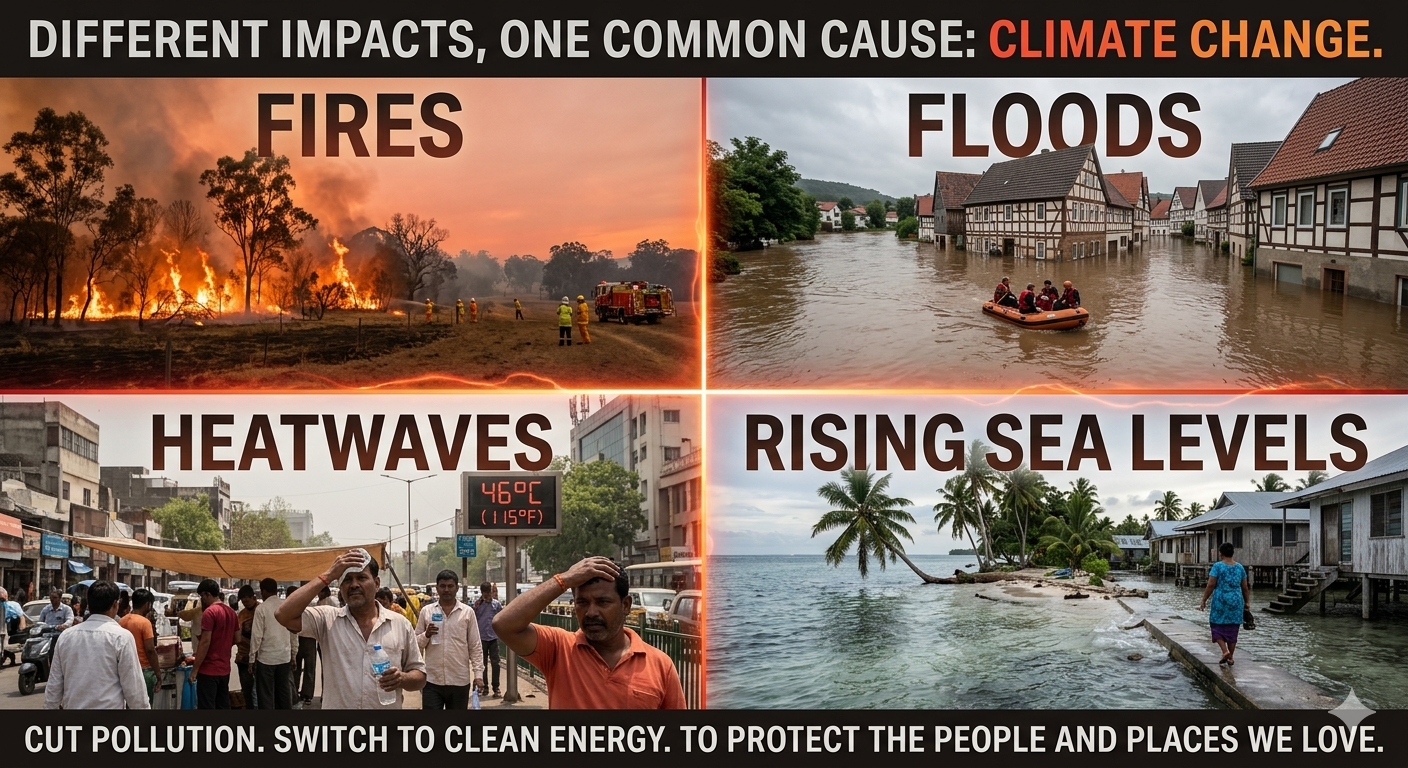
The primary cause behind this weakening is linked to climate change. As global temperatures rise, ice from Greenland and other Arctic regions melts at a faster pace, releasing large amounts of freshwater into the ocean. This dilutes the saltwater in the North Atlantic, interfering with the density-driven process that keeps the current moving.
If the AMOC were to collapse, the consequences would be severe across multiple regions. Europe could face much colder conditions, even in a warming world. In Africa and parts of the Americas, rainfall patterns could shift dramatically, increasing the risk of droughts in some areas and flooding in others. Agricultural systems, water supplies, and food security would all come under pressure.
Scientists stress that what makes the situation particularly alarming is the possibility of a sudden tipping point. Rather than a slow decline, the system could reach a stage where it rapidly shuts down, leaving little time for adaptation.
While there is still uncertainty about the exact timing, experts agree that the risks are rising. They are calling for urgent global action to cut greenhouse gas emissions and improve monitoring of ocean systems to better understand how close the world may be to this critical threshold.
The warning highlights a broader reality: some of the planet’s most important natural systems may be more fragile than once assumed, and their disruption could reshape climate patterns on a global scale.



Comments (0)
No comments yet. Be the first!
Leave a Comment