


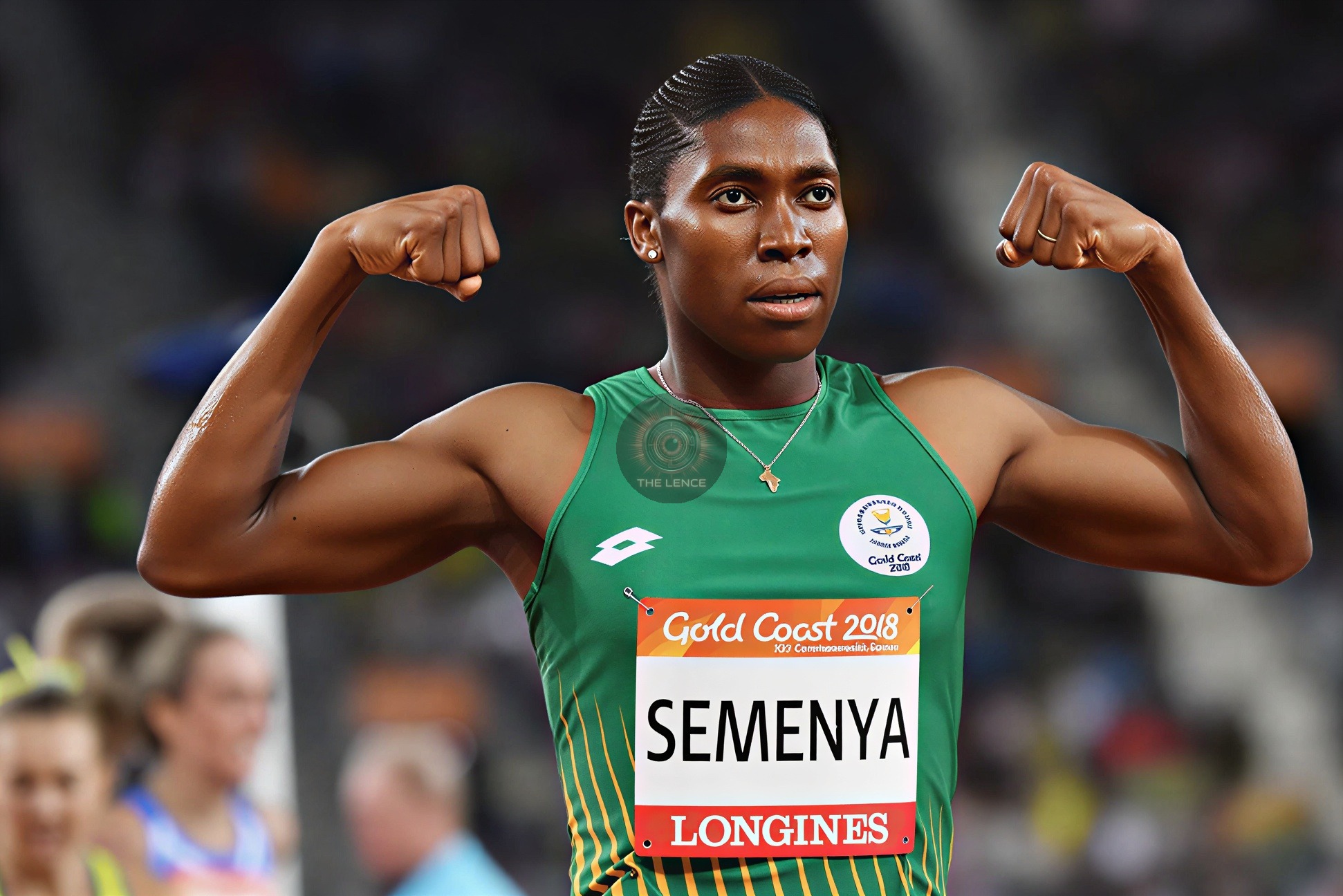
Caster Semenya Criticizes Olympic Gender Testing
Olympic gold medallist and South African sprinter Caster Semenya has voiced strong opposition to the International Olympic Committee’s (IOC) decision to reinstate gender verification tests for the 2028 Los Angeles Games. Semenya, a two-time Olympic 800-metre champion, has labeled this move as “a disrespect for women.”
The Controversy.
The IOC announced that only "biological females" will be allowed to compete in women’s events, effectively barring transgender women from participation. This decision has sparked significant backlash, particularly from athletes and advocates for gender equality in sports.
Semenya, who has been at the forefront of the battle for the rights of hyperandrogenic athletes, expressed her disappointment at the decision, especially under the leadership of the new IOC President, Kirsty Coventry of Zimbabwe. “For her being a woman coming from Africa, knowing how African women or women in the Global South are affected by that, of course it causes harm,” Semenya stated during a sporting event in Cape Town.
Historical Context.
Gender testing in the Olympics is not a new practice. The IOC previously employed chromosomal sex testing from 1968 until the 1996 Atlanta Olympics, abandoning it in 1999 due to mounting criticism from the scientific community and its own athletes commission. Semenya highlighted this history, noting, “It came as a failure, and that’s why it was dropped.” She emphasized the disrespect embedded in requiring women to prove their worthiness to participate in sports.
Semenya's Personal Struggle.
Caster Semenya’s journey has been emblematic of the broader struggle faced by hyperandrogenic athletes. Since winning her first world title in the 800m in 2009, she has been engaged in a legal battle to assert her rights. In 2025, she achieved a partial victory at the European Court of Human Rights against track and field’s sex eligibility rules. This legal fight underscores the ongoing challenges faced by athletes like Semenya in the world of competitive sports.
Conclusion.
The reinstatement of gender verification tests by the IOC has reignited debates about fairness, equality, and respect within the realm of sports. As athletes like Caster Semenya continue to speak out, the conversation around gender and sports remains both complex and crucial, necessitating thoughtful dialogue and inclusive policies.



Comments (0)
No comments yet. Be the first!
Leave a Comment