


Ukraine Intensifies Strikes on Russian Energy Infrastructure
Overview of Recent Attacks.
Ukraine has stepped up its military efforts against Russian energy infrastructure in the Black Sea region, aiming to disrupt Moscow's financial resources that fund its war efforts. The Ukrainian military reported targeting a Russian warship and a drilling rig in the Black Sea. Specifically, the Admiral Makarov missile carrier in the port of Novorossiysk was attacked, marking a significant escalation in the conflict.
Details of the Novorossiysk Attack.
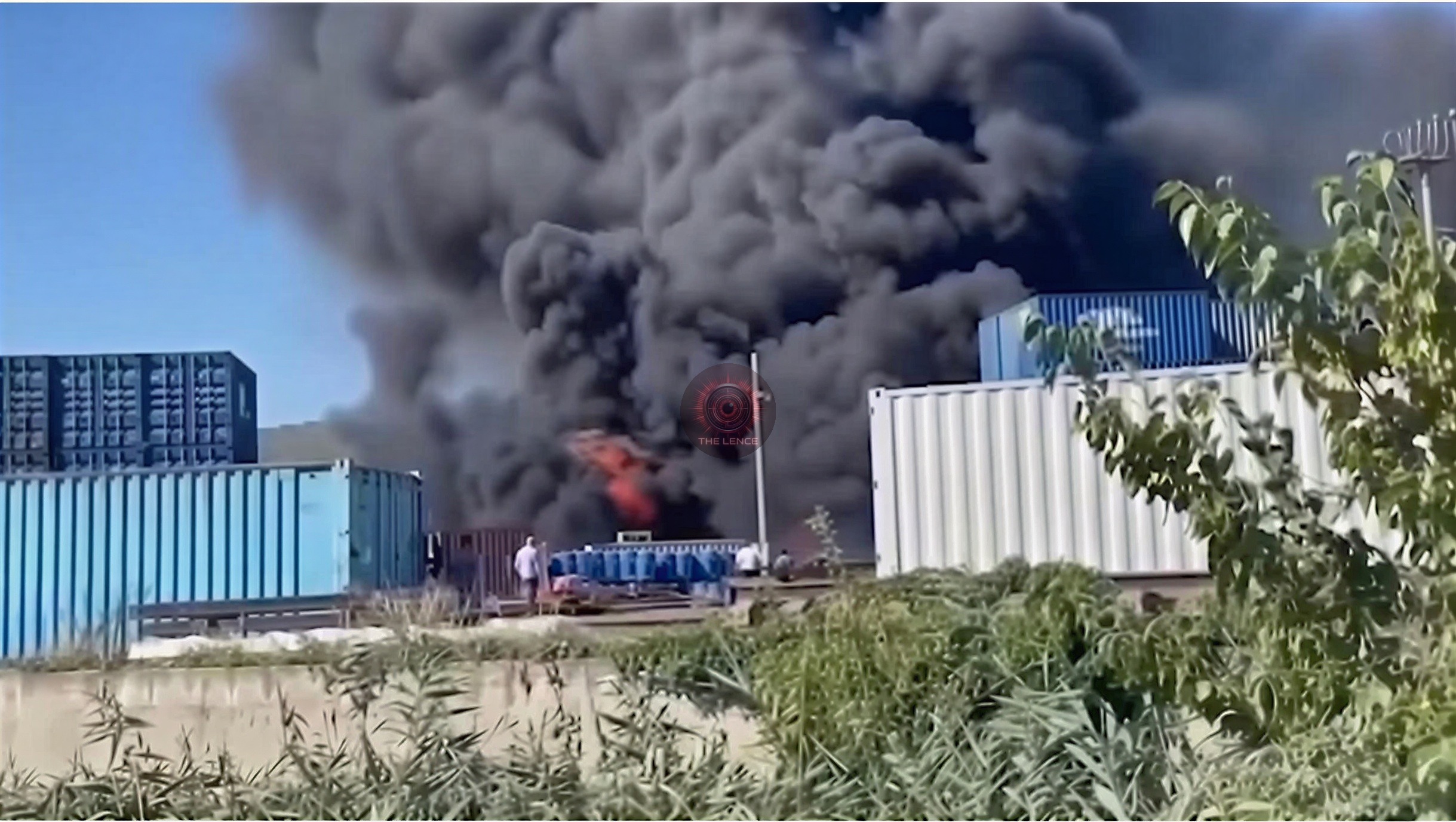
The attack on Novorossiysk, Russia's largest oil exporting outlet on the Black Sea, was led by Kyiv’s drone forces. Commander Robert Brovdi announced the operation, which resulted in a fire at one of the oil port’s docks. Despite Russian authorities reporting injuries to at least eight people, including two children, they did not confirm
whether the port itself was struck.
Novorossiysk Mayor Andrei Kravchenko confirmed that debris from drones had impacted two locations, including a residential area. Meanwhile, Russia's military claimed to have downed 148 Ukrainian drones within a three-hour period and worked to restore power to nearly half a million households affected by the attacks.
Impact on Global Oil Supply.
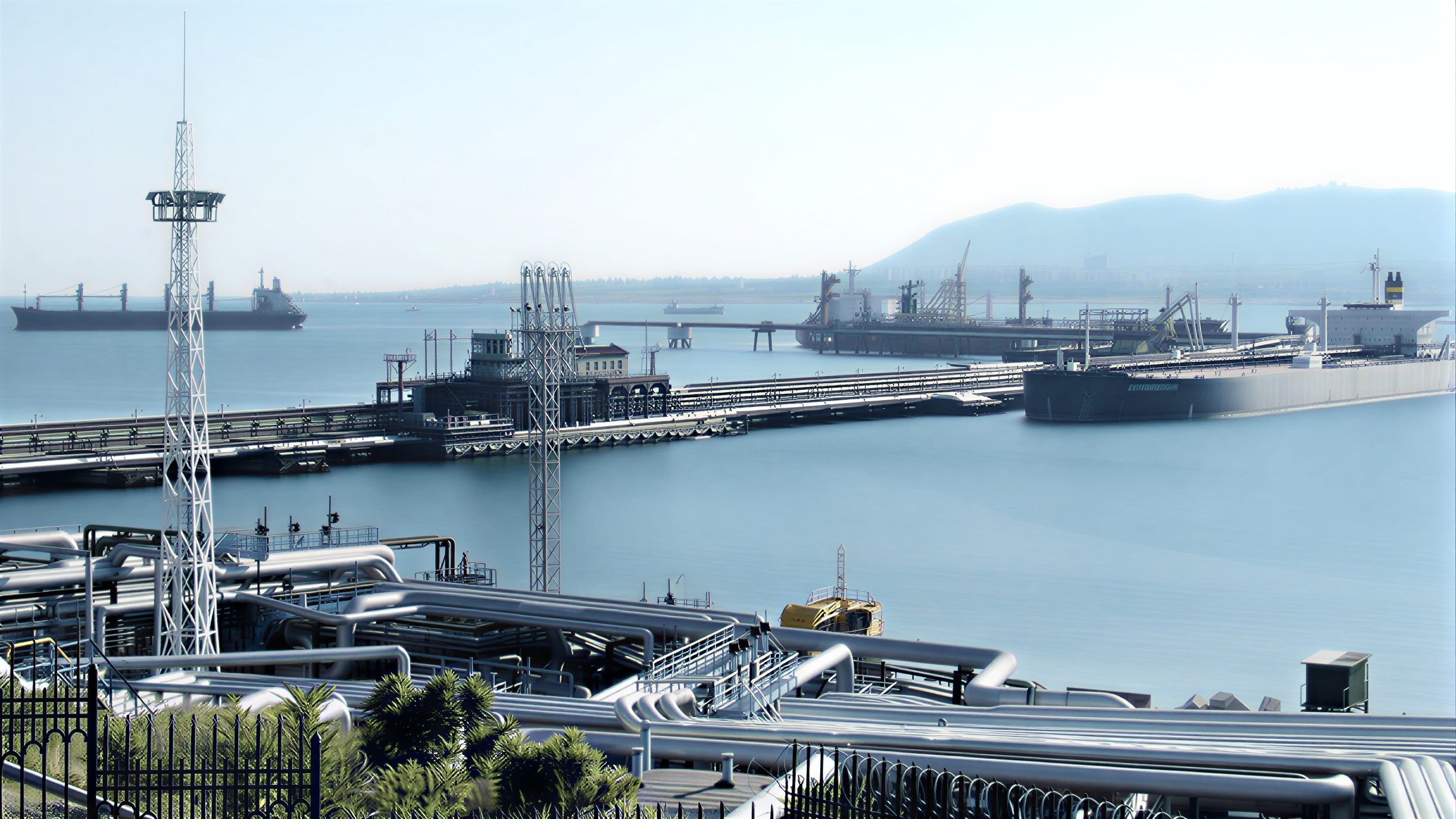
The Caspian Pipeline Consortium (CPC) terminal in Novorossiysk, a critical hub exporting oil from Kazakhstan, was also targeted. This facility handles about 1.5% of global oil supplies, with major US oil companies like Chevron and ExxonMobil among its stakeholders. Reports indicated damage to mooring, loading, and storage infrastructure, further exacerbating supply constraints amid global tensions.
Broader Strategic Implications.
Ukraine's intensified attacks are part of a broader strategy to target Russia's energy facilities, including major oil exporting hubs in both the Baltic and Black Seas. This is intended to reduce Moscow’s oil revenue, which is crucial to its economy. The Kremlin has been attempting to bolster its exports following a temporary waiver from US sanctions, which aimed to alleviate supply disruptions in the wake of geopolitical conflicts affecting oil markets.
Reactions and Further Developments.
The Russian Ministry of Defence accused Ukraine of deliberately attacking international oil transportation facilities to inflict economic damage on major shareholders, including US and Kazakh companies. This follows Ukrainian drone strikes on other significant Russian energy sites, such as the Baltic Sea ports of Primorsk and Ust-Luga, causing extensive damage to oil-processing facilities and export terminals.
Ukraine's Domestic Situation.
Meanwhile, Russia has continued its offensive against Ukraine, with recent drone attacks on the southern port city of Odesa resulting in civilian casualties, including two women and a toddler. Ukrainian President Volodymyr Zelenskyy reported additional strikes on energy infrastructure across various regions, leaving numerous households without electricity.
Over the past week, Russia has launched a substantial number of attack drones, glide bombs, and missiles at Ukraine, reflecting the ongoing intensity of the conflict. As both nations engage in retaliatory measures, the situation remains volatile, with significant implications for regional stability and global energy markets.




Comments (0)
No comments yet. Be the first!
Leave a Comment