


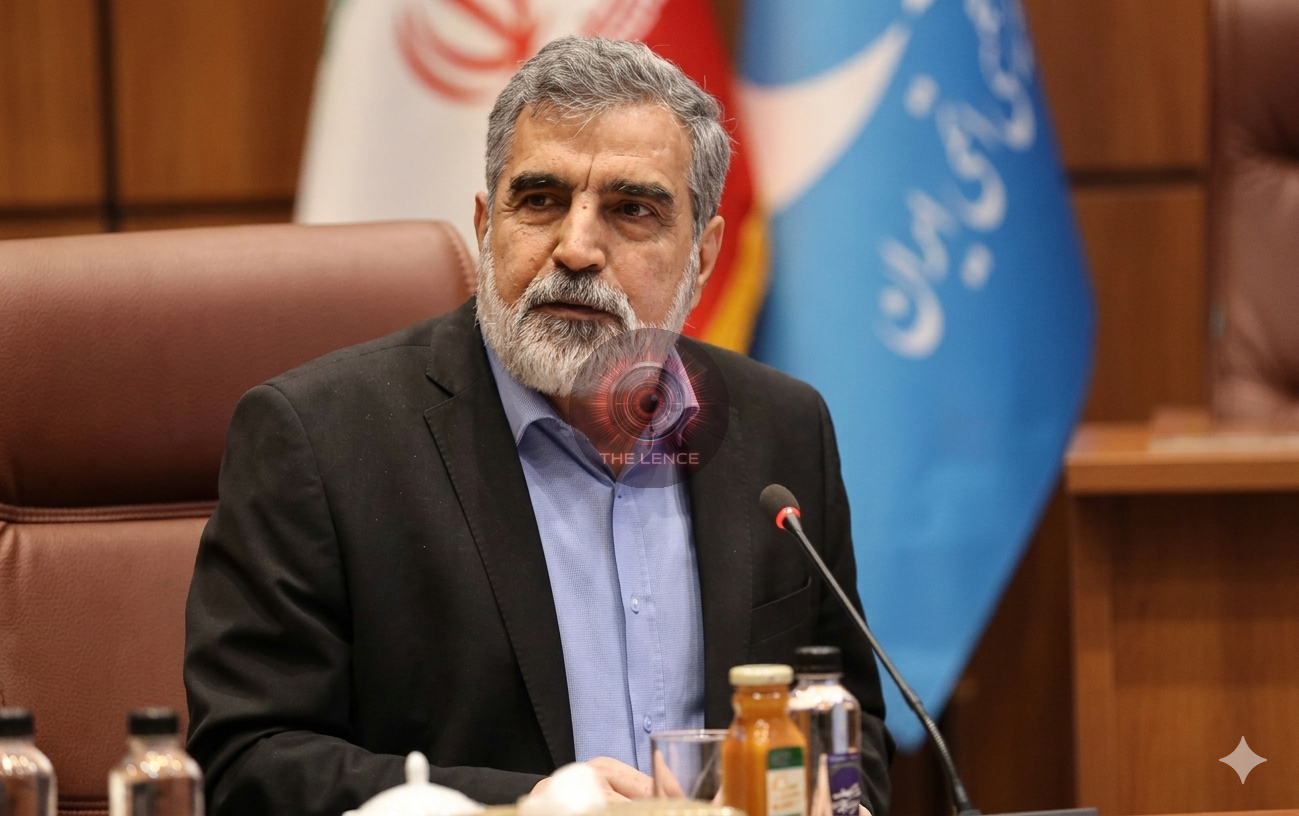
Iran’s Deputy Parliament Speaker, Hamidreza Haji-Babaei, has announced that the country has recorded its first revenue from tolls imposed on ships transiting the Strait of Hormuz.
According to Iran’s semi-official Tasnim News Agency, the announcement signals that Tehran’s controversial policy of charging vessels for passage through the key maritime route is now fully in effect.
The Strait of Hormuz remains one of the most strategically important waterways in the world, serving as a major corridor for global oil shipments. Any policy affecting its use typically draws international attention, given the potential impact on global trade and energy prices.
Iranian authorities have in recent months indicated plans to regulate traffic through the strait more tightly, arguing that such measures fall within their sovereign rights. The introduction of tolls appears to be part of broader efforts to assert greater control over the route while also generating revenue amid economic pressure.
However, the move is likely to raise legal and diplomatic concerns. International maritime laws generally guarantee free passage through major straits, and any attempt to impose unilateral fees could face resistance from global shipping operators and foreign governments.
The development also comes at a time of heightened geopolitical tension in the region, with increased military presence and concerns about the security of commercial vessels. Analysts warn that even limited changes to how the strait is managed could have ripple effects on shipping costs, insurance rates, and global oil markets.
With Iran now confirming it has begun earning from the toll system, attention is expected to shift to how other nations respond—and whether the policy will escalate tensions or force new negotiations over access to one of the world’s busiest sea lanes.


Comments (0)
No comments yet. Be the first!
Leave a Comment