
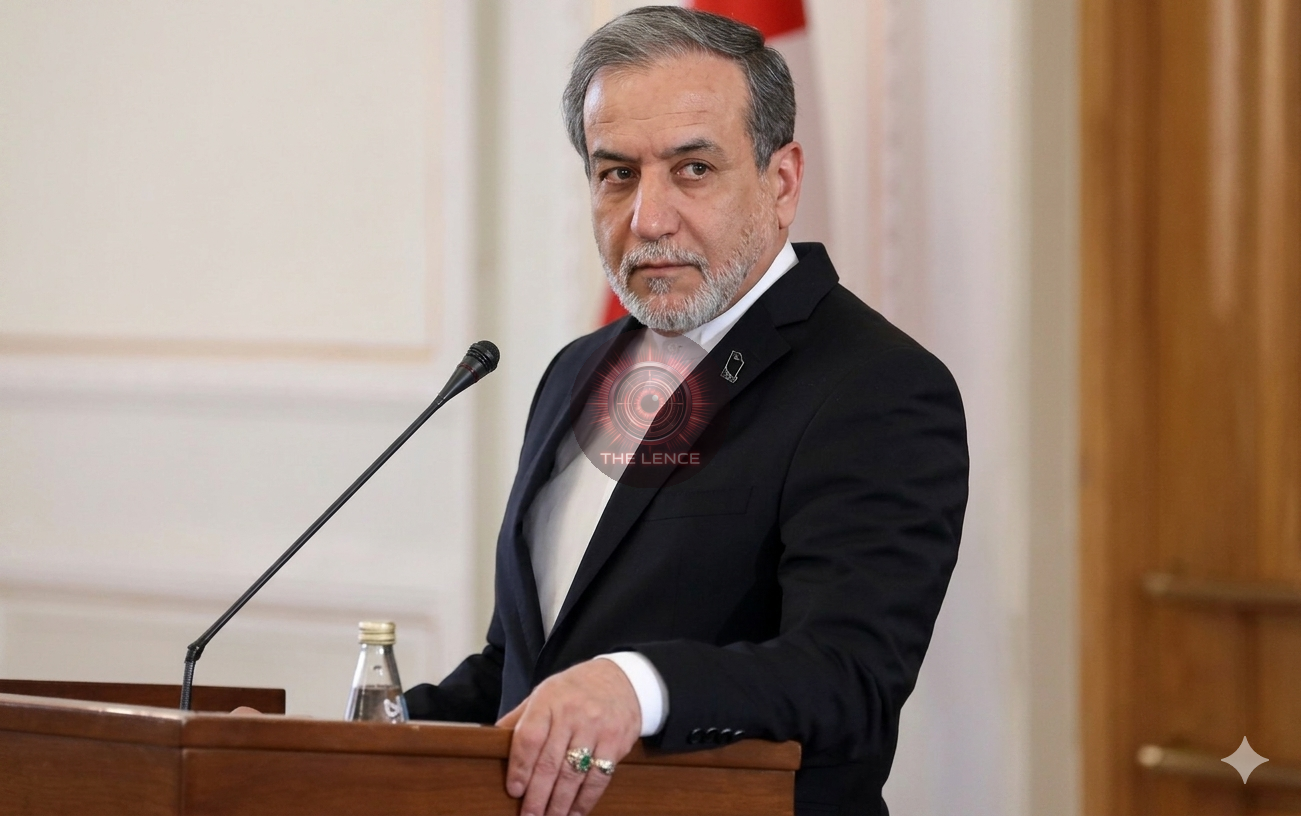
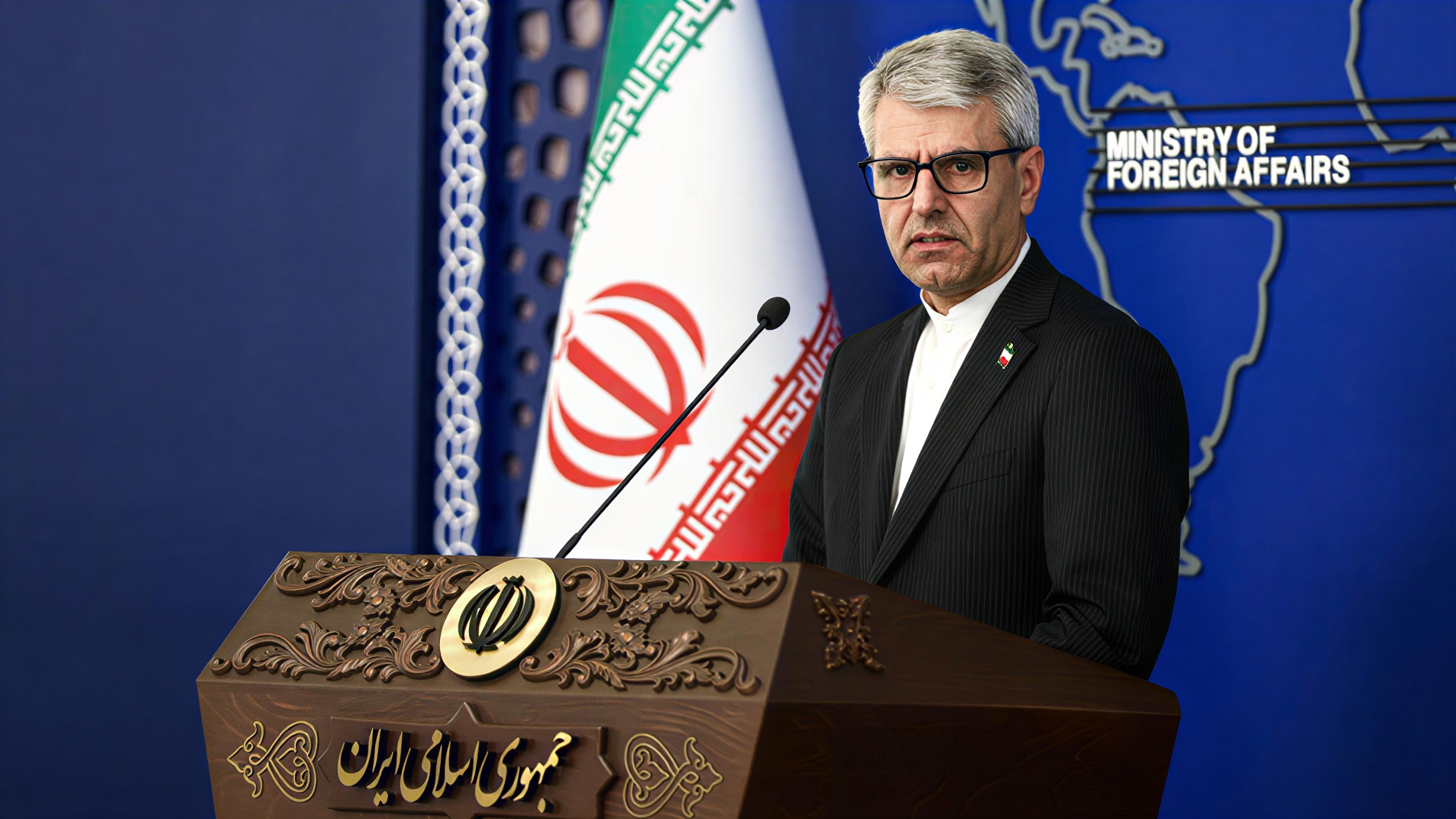
Authorities in Iran have reportedly ordered the indefinite closure of all schools and universities, a move that has drawn global attention amid rapidly rising tensions in the region. The sweeping decision, affecting millions of students, comes alongside reports of increased military readiness across key areas.
Ground forces are said to have been deployed in multiple strategic locations, signaling heightened alert levels within the country. While officials have not publicly detailed the full scope of the deployments, analysts believe the actions reflect growing concern over potential escalation in an already volatile environment.
Observers have pointed to historical patterns, noting that similar precautionary measures in the past have sometimes preceded military confrontations involving Israel. This has fueled speculation that the current developments may not be purely defensive, but part of a broader strategic posture.
The underlying message being interpreted by some analysts is clear: violations of perceived red lines could trigger serious consequences. Iran has long maintained a stance of calculated response, and some experts argue that such nationwide disruptions are unlikely to occur without deliberate intent.
Meanwhile, Israeli Prime Minister Benjamin Netanyahu is reportedly continuing military operations in southern areas, further intensifying the situation. The combination of active engagements and preemptive domestic measures has contributed to a sense of urgency across diplomatic and security circles.
While some observers believe Iran’s recent posture reflects internal strain or weakening capacity, others interpret it as a sign of repositioning—potentially laying the groundwork for escalation rather than retreat.
With both rhetoric and actions sharpening, the coming hours are being closely monitored by the international community, as fears grow that the situation could shift rapidly beyond containment.

Comments (0)
No comments yet. Be the first!
Leave a Comment