



Remarks attributed to Pope Leo XIV urging a “less fearful” approach to Islam and migration have stirred sharp reactions, particularly among political voices that emphasize strict border control as central to national stability.
The Pope’s position frames fear of Islam as being amplified by anti-immigration rhetoric, encouraging dialogue and coexistence across religious and cultural lines. He reportedly pointed to countries like Lebanon as examples of complex but enduring multi-faith societies, suggesting that engagement—not isolation—offers a path forward in an increasingly interconnected world.
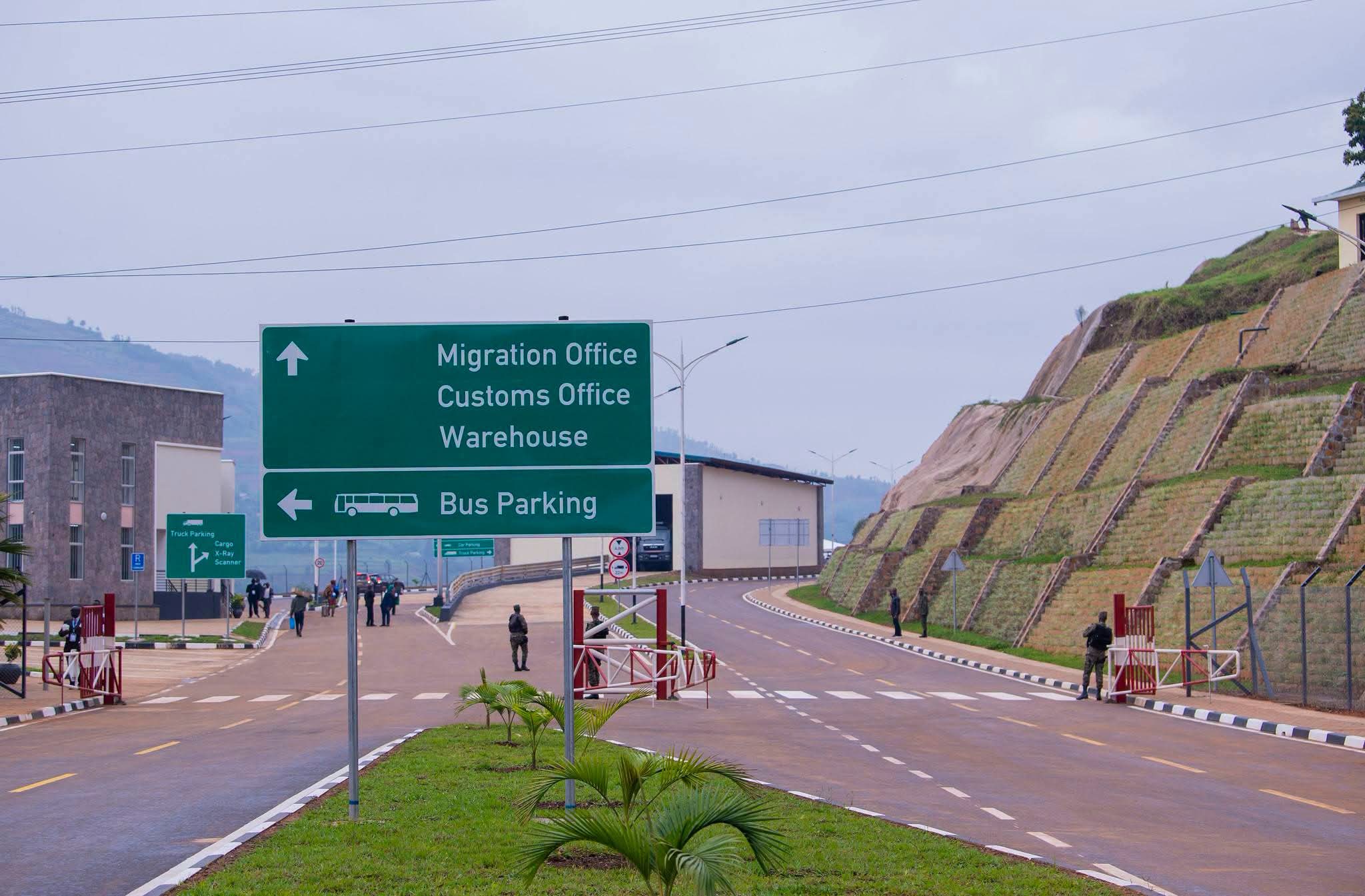
However, critics argue that such perspectives overlook the practical realities faced by nations grappling with illegal immigration, security threats, and cultural integration challenges. They contend that border enforcement is not rooted in fear, but in sovereignty and the responsibility of governments to protect their citizens.
Supporters of former U.S. President Donald Trump have been particularly vocal, highlighting his administration’s focus on strict immigration policies and border security. They argue that a strong national identity and controlled borders are essential to maintaining both security and social cohesion.
The debate underscores a broader global divide: one side advocating humanitarian openness and interfaith dialogue, the other prioritizing national security and cultural preservation. While religious leaders like the Pope call for reduced fear and greater understanding, political leaders and their supporters often stress the importance of enforcement and clear boundaries.
As migration continues to shape political discourse worldwide, the tension between compassion and control remains unresolved—reflecting fundamentally different visions of how nations should respond to a rapidly changing world.

Comments (0)
No comments yet. Be the first!
Leave a Comment